By Chantal Inen
Our Pack is home to all sorts of fantastic experts. Our long time partner Rob van Tulder (RSM) introduces me to interesting people. This week, I’ll highlight one of these conversations about skills we need to create change.
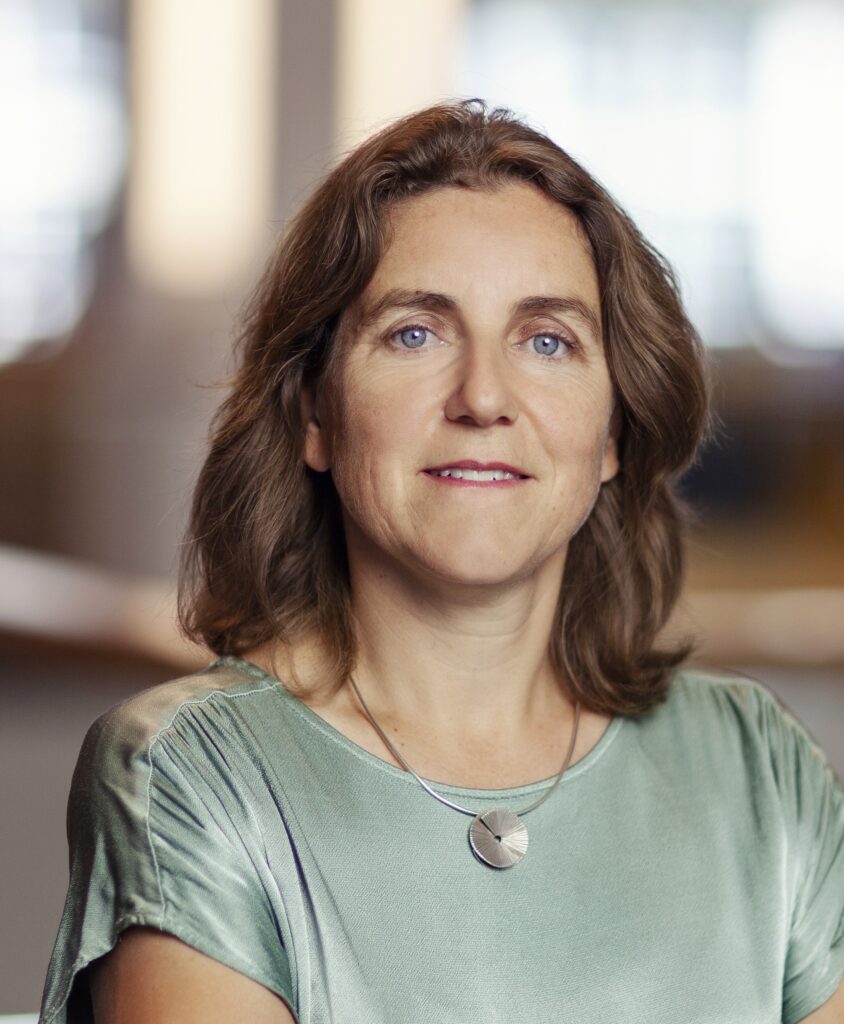
Carola van Lamoen is head of Sustainable Investing at Robeco, a global asset manager with a Dutch headquarter. In her role she’s also responsible for Robeco’s SI Centre of Expertise, where the sustainability expertise of Robeco unites. A person with lots of responsibility and many opportunities for impact.
Looking at social and ecological issues, which gaps still need to be filled Carola?
“From my perspective I see It’s necessary to focus on the finance and investment gap; how do we make sure there’s enough money available to work towards the sustainable goals? As a practical answer to this question we have developed an inhouse SDG framework where we assess the positive and negative impact on the goals. That enables investors to invest in companies with positive development goals.”
Now the big question is, is the money available attributed to social and ecological topics?
“It’s interesting what investors are looking for these days. They are looking for a combination of making an attractive return and contributing to positive impact. So the key point of focus for us is: how do you combine that? How do we still make this attractive for pension funds and bigger institutional investors? We call this 3D investing: where risk, return and sustainability are combined.”
What’s the role of partnerships, in filling this financial gap?
“We need to work together. In the world of investing there is a lot of collaboration, and now we really need out of the box thinking. Partnerships developed between for example academics, investors and NGO’s. We all have to look for partnerships that make us look differently at the problems we face. That’s why events like this are great (Mind the Gap – R’dam school of management). People from total different backgrounds unite to look at today’s challenges.”
“At Robeco we partnered for example with the WWF-Netherlands, where we explicitly focus on the topic of biodiversity. Their knowledge helped us to build a biodiversity framework. So we can identify those companies that make most sense from a biodiversity perspective.”
What can education offer in this process?
“Education is important on all levels. The young workforce looks better educated on these big topics that the world is facing today. It is important for companies to inhouse that knowledge, making sure the knowledge is being used.”
“Now the combination of academic knowledge and practice doesn’t happen automatically. You actively have to look for that in people. And to make this combination we always investigate how a new framework works in practice. By asking both academics and clients to challenge us; ’Where can we improve?’. This learning from practicing was also one of the reasons why we have made our SDG scores open access on our site with a specific invitation to give feedback. That triggers a lot of relevant conversations.”